
KUWAYAMA Hisashi
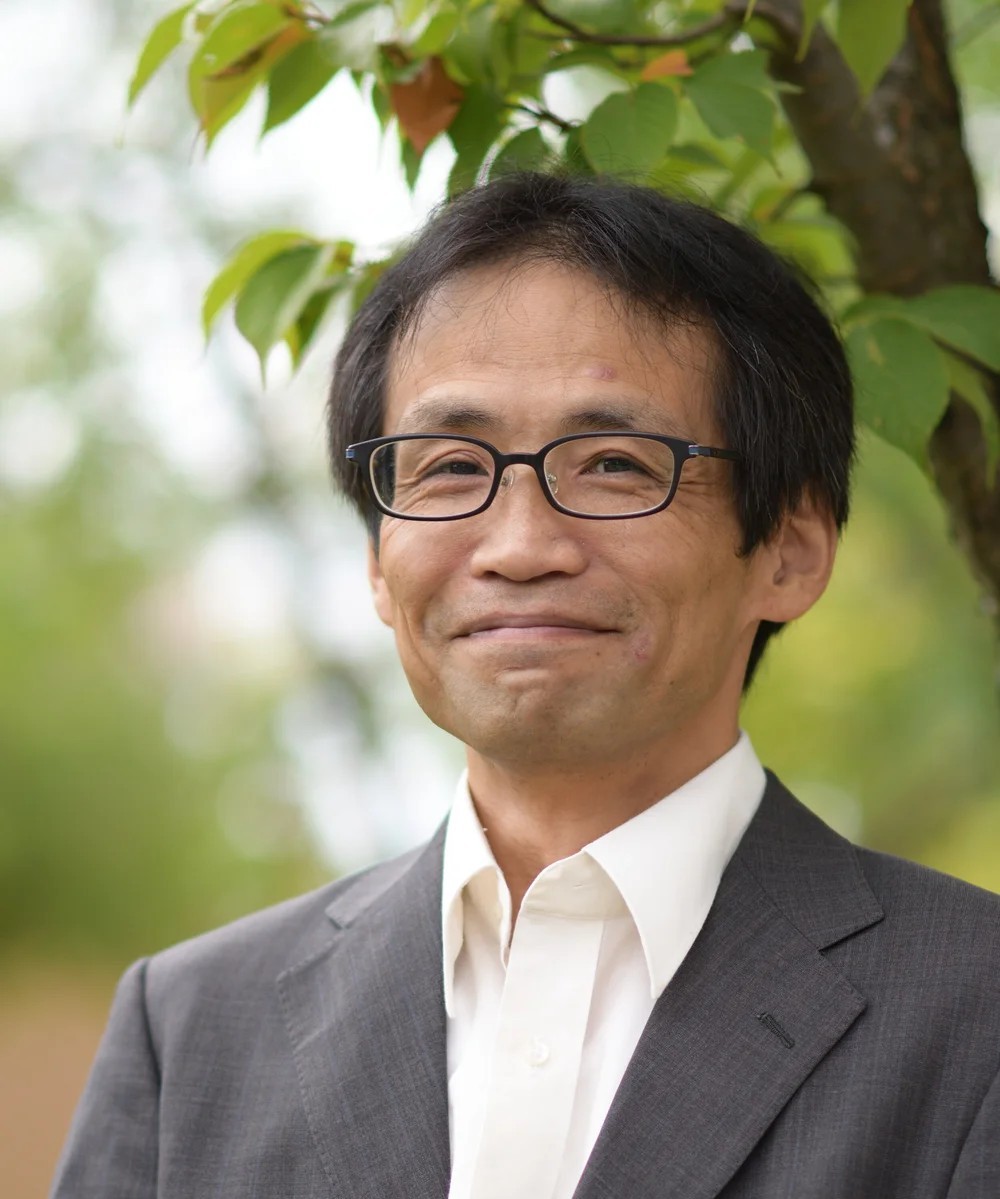
Lecturer
- Ph.D. in Education (Hiroshima University)
- kuwayama[a]hiroshima-u.ac.jp
*Please replace [a] with @ when sending e-mail.
Major Professional Backgrounds
- Hiroshima University, Graduate School for International Development and Cooperation, Education Support Staff (2004-2005)
- Hiroshima University, Graduate School of Education, Assistant Professor (2005-2008)
- Hiroshima University, Graduate School of Education, Lecturer (2008-)
Please refer to the following link for more research achievements. Hisashi Kuwayama(hiroshima-u.ac.jp)
Research Areas and Themes
My research interests lie in a sociocultural perspective on improving subject-based curricula and educational practices in various countries and regions of Asia and Africa, and in fostering the qualities and abilities of teachers and teacher educators, who play a key role in these efforts. Furthermore, as globalization advances, the number of culturally and linguistically diverse children is increasing in Japanese public schools. I am also interested in researching curriculum and instruction in Japanese schools, educational activities at community education facilities and institutions, and the development of their practitioners, from a multicultural education perspective.
While the historical and socio-cultural contexts of education vary by country and region, I hope, by relativizing Japan’s educational experience, to apply my research to contribute to educational development and cooperation both domestically and internationally.
Research Areas and Themes of the Students
Subject-based curricula and educational practices based on socio-cultural perspectives, and their improvement;
Professional growth of teachers and teacher educators, and the formation of communities of educational practitioners, based on socio-cultural perspectives;
Multicultural education programs and practices in schools, and community education facilities and institutions.
Message to Prospective Students
The learning and research environment of this program is linguistically and culturally diverse. Let’s leverage this diversity to learn from one another, broaden and deepen our own perspectives and thinking on both educational practice and educational research.